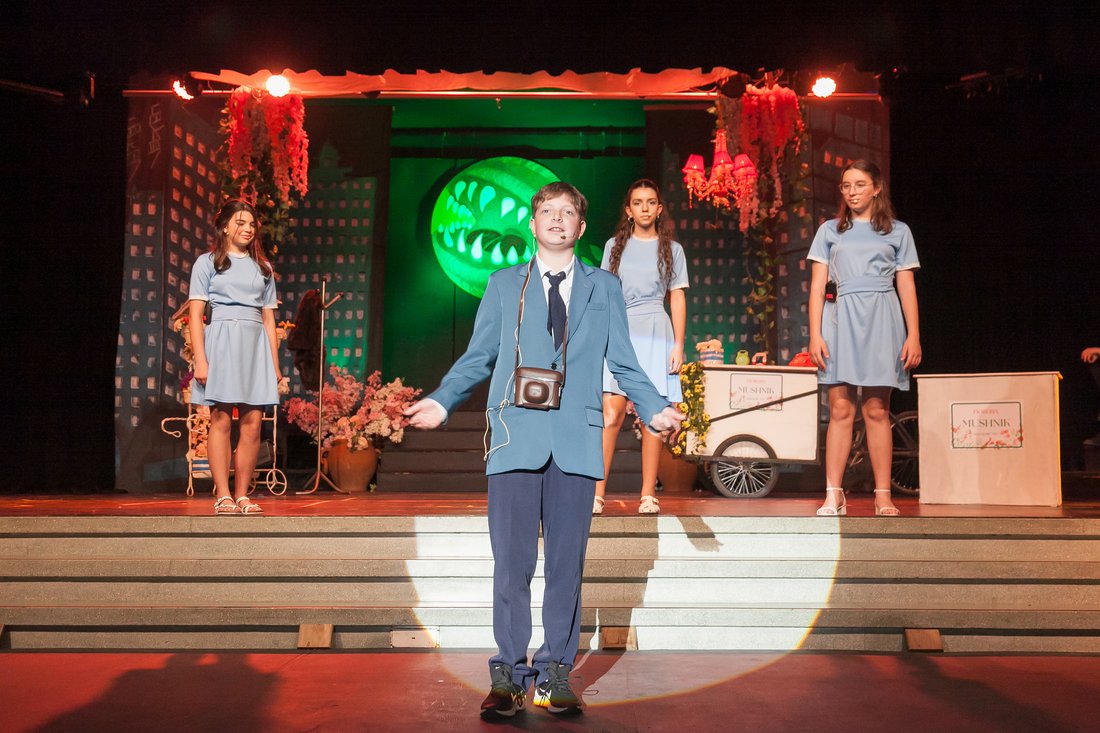
The Scuola is committed to the development of competencies for the 21st Century, emphasizing the strengthening of character and management of emotions as well as the development of creativity and research.
We understand that this area represents an appropriate environment for awareness through art and imagination, approach to science and technology through various projects.
Training areas:
Visual Arts
Visual Arts
This area aims to develop and strengthen the ability to express themselves creatively, to observe and understand various artistic productions, and to acquire an aesthetic sensitivity along with a deep appreciation of the artistic heritage of target cultures. Through personal experience, children and teenagers learn to use and enjoy both the visual and audiovisual language. They are able to read and critically interpret the language of images and the multimodal language offered by new technologies as they manage to produce new messages in a creative way.
Close
Technology
Technology
Technology deals with the way in which human beings interact with and transform the environment to guarantee their survival and satisfy their needs.
By studying the operating principles and the use of tools, devices and machines designed for a certain purpose, students are encouraged to develop awareness of their surroundings as they use their cognitive, operational, methodological and social skills to solve problems. The aim of this area is therefore to foster the need to work with the environment through ethical and responsible actions that do not only consider the problem itself, but also the outcome of our actions.
Close
Science
Science
The observation of facts and their interpretation, together with a spirit of enquiry and investigation, should be a priority in the learning of science. The Scuola’s environment allows many activities to take place in close contact with nature, and hands-on experience, whether individual or collective, strengthens students’ capacity for observation and critical thinking. It nurtures curiosity and encourages children and teenagers to ask questions and seek explanations, which they will naturally need to compare and discuss with the perceptions and ideas of the group.
Close
Music
Music
Music is a fundamental and universal component of the human experience. Discovering the expressive potential of the voice, appreciating rhythm and melody, and performing and valuing different musical genres provide an ideal context for the development of students’ cognitive, cultural, social, and emotional dimensions.
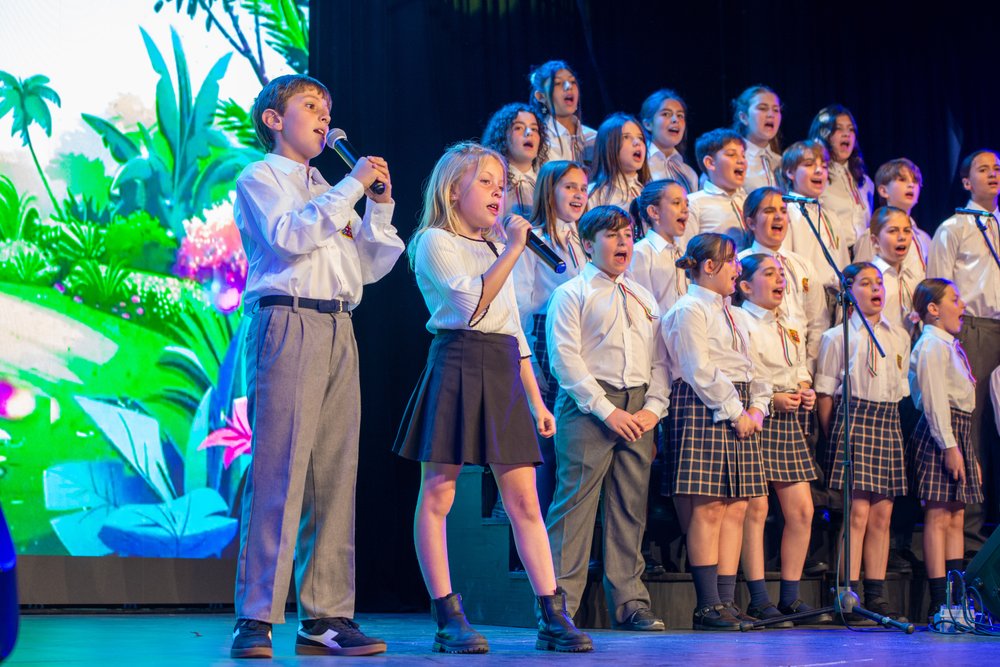
Furthermore, through the practice of critical thinking, students can develop a deeper artistic sensitivity supported by knowledge, interpretation, and the sharing of musical experiences. Children of school age also have the opportunity to take part in the school choir, allowing them to experience music and harmony directly through their own participation.